
Strathclyde stretches across southwest Scotland from the Ayrshire coast to the Argyll highlands, taking in Glasgow's urban sprawl, Loch Lomond's southern shores, and some of the country's most atmospheric rural landscapes. This guide compares 8 three-star hotels across the region to help you find the right base for your trip - whether you're visiting for golf, castle touring, city access, or walking in the hills.
What It's Like Staying in Strathclyde
Strathclyde is not a single destination but a travel corridor - a region where you can be watching waves on the Ayrshire coast in the morning and standing at the edge of an ancient glen by afternoon. Transport connections vary dramatically by location: properties near Glasgow benefit from rail links and motorway access, while rural stays in Kilmartin or Tyndrum require a car and add around 2 hours to any city-side plans. Crowd patterns are seasonal and concentrated - Loch Lomond draws peak summer traffic from June through August, while Ayrshire and Argyll remain quieter year-round, making them more predictable for mid-week stays.
Pros:
- Wide geographic spread means you can choose between coastal, rural, and urban bases within the same region
- Many 3-star properties include free parking, which is a significant practical advantage for road-trip itineraries across Argyll and Ayrshire
- Strong access to landmark attractions including Loch Lomond, Inveraray Castle, and Royal Troon Golf Club without needing to cross into a separate region
Cons:
- Rural properties in Kilmartin or Tyndrum are not served by frequent public transport, making a rental car essentially mandatory
- Accommodation quality and service levels vary considerably across the region's 3-star tier
- Weather in the western Highlands and Argyll coast can disrupt outdoor plans at any time of year
Why Choose 3-Star Hotels in Strathclyde
Three-star accommodation in Strathclyde tends to sit at a practical midpoint - offering en-suite bathrooms, on-site dining, and reliable WiFi without the premium pricing of full-service hotels. Properties in rural Strathclyde often deliver more space per room than equivalently priced urban options in Glasgow, with garden views and free parking included as standard rather than extras. That said, 3-star classification in a rural Scottish setting does not always mean the same level of amenity as a city-centre 3-star - trade-offs can include limited reception hours, no lift access, and dining restricted to set hours. For travellers driving through Argyll or touring Ayrshire's golf courses, these properties offer logical overnight stops with solid baseline comfort around 30% below equivalent urban hotel pricing.
Pros:
- Free private parking is standard across most 3-star rural options, removing a cost that urban hotels charge separately
- On-site restaurants and bars at several properties mean you don't need a car to find dinner in remote locations
- Family rooms are available at multiple properties, making this tier practical for groups travelling with children
Cons:
- Front desk hours are not always 24/7 at smaller guest houses, which matters for late arrivals after long drives
- Breakfast is not always included in the room rate - verify before booking to avoid unexpected costs
- Some rural 3-star properties have limited accessibility infrastructure for guests with mobility requirements
Practical Booking & Area Strategy
Choosing where to base yourself in Strathclyde depends heavily on your itinerary. Staying in or near Balloch puts you at the southern gateway to Loch Lomond with Glasgow Airport only 25 km away - a strong choice for fly-drive visitors. High Blantyre and Symington offer quieter residential settings within striking distance of Glasgow and the Ayrshire coast respectively, useful if you want lower nightly rates without sacrificing road access. Argyll-based properties in Kilmartin and Kilmelford require committing to the west coast - they sit 2 hours from Glasgow but within reach of Oban, Inveraray, and a dense cluster of prehistoric and castle sites. For golf-focused trips, Irvine positions you between Royal Troon and Ayr Racecourse with Glasgow Prestwick Airport just 13 km away. Book rural properties at least 6 weeks ahead during the summer walking and festival season, as availability in Argyll and Loch Lomond drops sharply from late June onward.
Best Value Stays
These properties offer strong practicality for the price - solid facilities, free parking, and good access to key Strathclyde attractions without the premium of lochside or landmark-adjacent positioning.
-
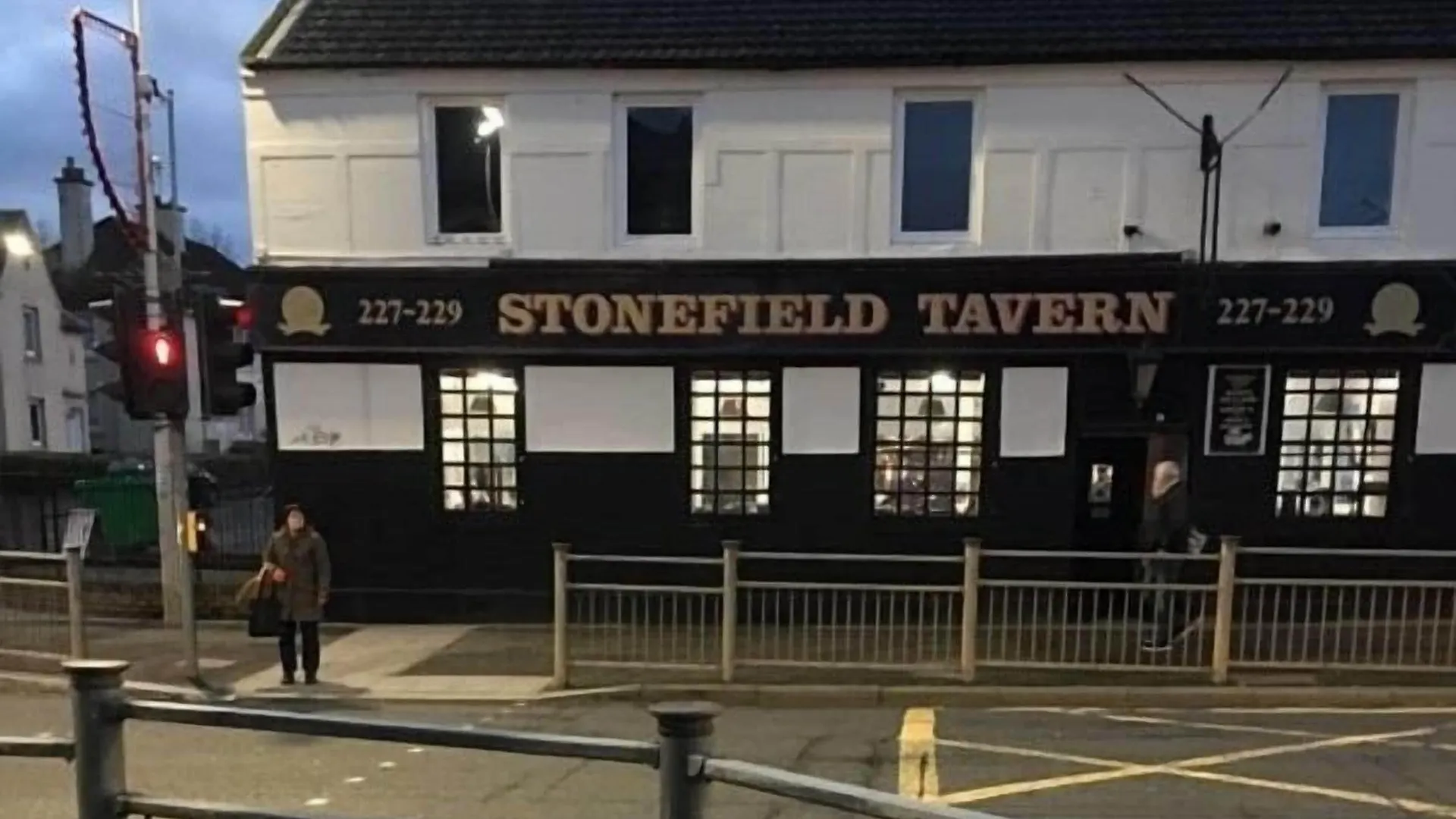
1. Stonefield Rooms
Show on map


 Check-infrom 15:00 until 21:00Check-outuntil 10:00
Just a few rooms left at the best rate!
from£ 55
-
2. Irvine Guest House
Show on map


 Check-infrom 15:00 until 23:59Check-outfrom 05:00 until 10:00
Just a few rooms left at the best rate!
from£ 85
-
3. Melfort House
Show on map


 Check-infrom 16:00 until 23:59Check-outuntil 11:00
Rooms filling fast – secure the best rate!
from£ 157
-
4. Campsie Glen Holiday Park
Show on map


 Check-infrom 16:00 until 17:00Check-outfrom 09:00 until 10:00
Hurry – almost gone at this price!
from£ 251
Best Premium Stays
These properties offer a stronger overall package - on-site restaurants, more developed facilities, and positioning that adds genuine travel value for guests exploring Strathclyde's rural and coastal highlights.
-
5. Muthu Ben Doran Hotel
Show on map


 Check-infrom 14:00 until 23:00Check-outfrom 08:00 until 10:00
Just a few rooms left at the best rate!
from£ 93
-
6. Tinto Hotel
Show on map


 Check-infrom 15:00 until 22:00Check-outfrom 08:00 until 11:00
Rooms filling fast – secure the best rate!
from£ 139
-
7. Kilmartin Hotel
Show on map

 Check-infrom 14:00 until 22:00Check-outuntil 11:00
Best price guarantee
from£ 82
-
8. Duck Bay Hotel & Restaurant
Show on map


 Check-infrom 15:00 until 23:59Check-outfrom 07:00 until 11:00
Hurry – almost gone at this price!
from£ 240
Smart Travel & Timing Advice for Strathclyde
The best months to visit Strathclyde for a balance of weather, crowd levels, and value are May, early June, and September. July and August bring peak pressure on Loch Lomond-area properties - Duck Bay and Campsie Glen in particular see availability shrink quickly, and nightly rates can rise by around 35% compared to shoulder season. Argyll properties like Kilmartin Hotel and Melfort House stay relatively uncrowded even in summer, as they attract a niche audience of heritage and coastal walkers rather than mainstream tourist flows. For Ayrshire golf travel, bookings around The Open Championship rotation at Royal Troon should be made months in advance. A minimum of 3 nights makes sense for rural Argyll stays given the driving distances involved, while Balloch and High Blantyre work well as 1 or 2-night urban-adjacent stops. Last-minute availability is most realistic in Irvine, Symington, and High Blantyre during autumn and winter weekdays, when demand from leisure travellers drops significantly.


