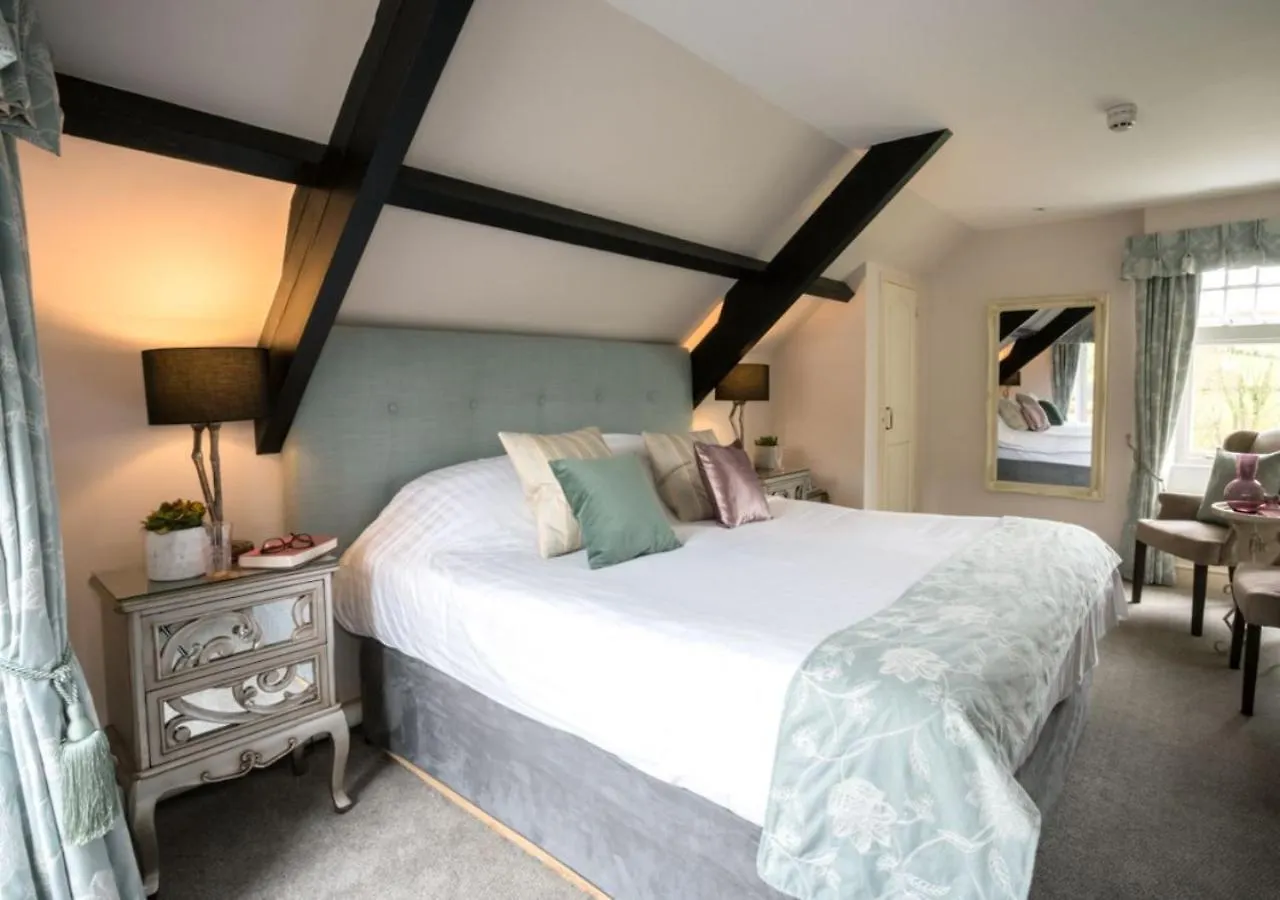
Devon covers everything from the rugged moorland of Dartmoor to the sailing towns of the South Hams and the ferry port city of Plymouth - making your choice of hotel location as important as the hotel itself. Whether you're visiting the estuaries around Salcombe, exploring Dartmoor on foot, or using Plymouth as a transit hub, each base delivers a genuinely different experience of this county.
What It's Like Staying in Devon
Devon is England's third-largest county, spanning two separate coastlines - the rugged Atlantic-facing north and the calmer, yacht-dotted English Channel south - plus Dartmoor National Park at its centre. Getting around without a car is difficult: bus services between towns are infrequent, and many of Devon's most rewarding spots sit well off any rail line. Hiring a car is practically essential for most itineraries here. Crowd patterns vary sharply: coastal towns like Salcombe are among the most visited in South Devon during summer, while inland areas around Dartmoor stay comparatively quiet year-round.
Pros:
Extraordinary landscape diversity - coast, moorland, river valleys, and market towns all within an hour's drive of each other
Strong food culture driven by local seafood, dairy, and farm produce, with a notable concentration of rosette-awarded restaurants
Lower visitor density inland compared to Cornwall, making Dartmoor and mid-Devon genuinely uncrowded even in peak months
Cons:
Public transport is sparse - travelling between towns without a car adds significant time and planning overhead
Coastal hotspots like Salcombe see accommodation prices spike sharply in July and August, with availability tightening around 6 weeks out
Devon's road network is largely single-lane and slow; journeys that look short on a map routinely take much longer than expected
Why Choose a Hotel in Devon
Hotels in Devon tend to offer more space, structured dining, and on-site facilities than self-catering alternatives - a meaningful advantage when weather makes outdoor plans unreliable. Across the county, hotels range from compact village inns to full-service spa properties, and the price gap between a countryside hotel and a coastal-front equivalent can reach around 40% during peak summer weeks. Waterfront hotels in places like Salcombe command a clear premium, but deliver sea views, spa access, and on-site dining that justify the uplift for short stays. Dartmoor-edge hotels, by contrast, often offer larger rooms and more rural quiet at noticeably lower rates.
Pros:
On-site dining removes the need to drive after dark on Devon's narrow country roads
Spa and wellness facilities are a genuine differentiator in Devon's hotel market, with multiple properties offering full indoor pool and treatment room access
Hotels near Dartmoor or in smaller towns often include free parking as standard - a real saving in coastal areas where parking is heavily charged
Cons:
Premium coastal hotels like those in Salcombe are often fully booked months in advance for summer stays
Smaller hotel towns lack the evening entertainment infrastructure of a city, meaning the hotel itself becomes the social hub
Some rural Devon hotels have limited accessibility for guests without a vehicle, with nearest train stations often 25 minutes away by car
Practical Booking & Area Strategy
Devon's geography naturally divides into three distinct bases: the South Hams coast (Salcombe, Kingsbridge), Dartmoor and its gateway towns (Chagford, Moretonhampstead), and Plymouth as the county's primary city. Salcombe is Devon's most expensive coastal base - a small estuary town with no through-traffic, no rail link, and extremely limited parking, which makes the hotel's own facilities and location especially important. Plymouth, by contrast, has a mainline rail connection to London Paddington and sits within walking distance of the Barbican, ferry terminals to France and Spain, and the National Marine Aquarium. For walkers and Dartmoor explorers, Chagford and the Teign Valley position you directly at the national park's edge, with Exeter reachable in around 25 minutes by car. Popular Devon attractions include Dartmoor National Park, the South West Coast Path, Exeter Cathedral, Buckland Abbey, and the fishing villages of the South Hams - so your chosen base should align with your priorities from the outset.
Best Value Stays
These hotels deliver strong value relative to their location - either through competitive pricing in their respective areas, or through a particularly well-rounded offering of facilities and dining without the coastal premium.
-
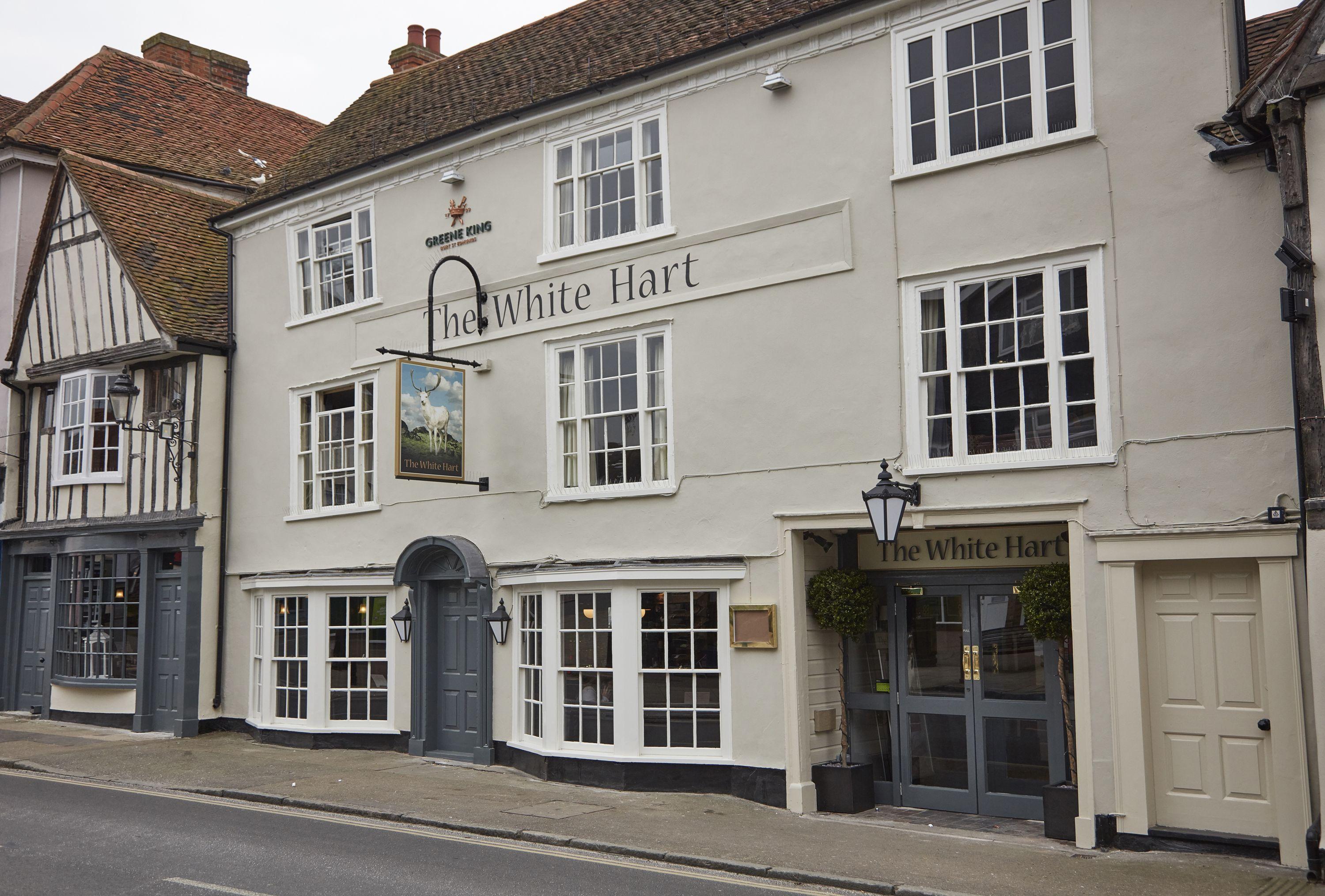
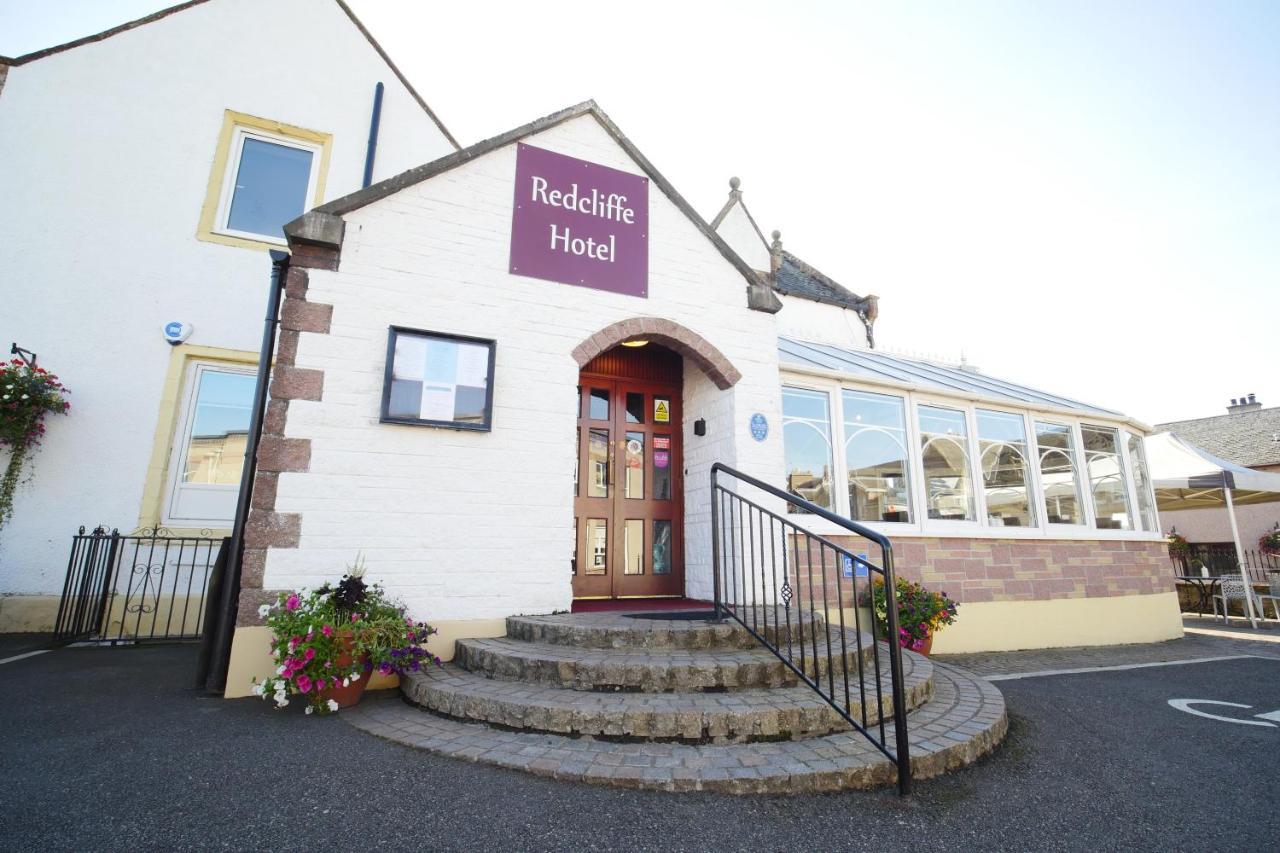
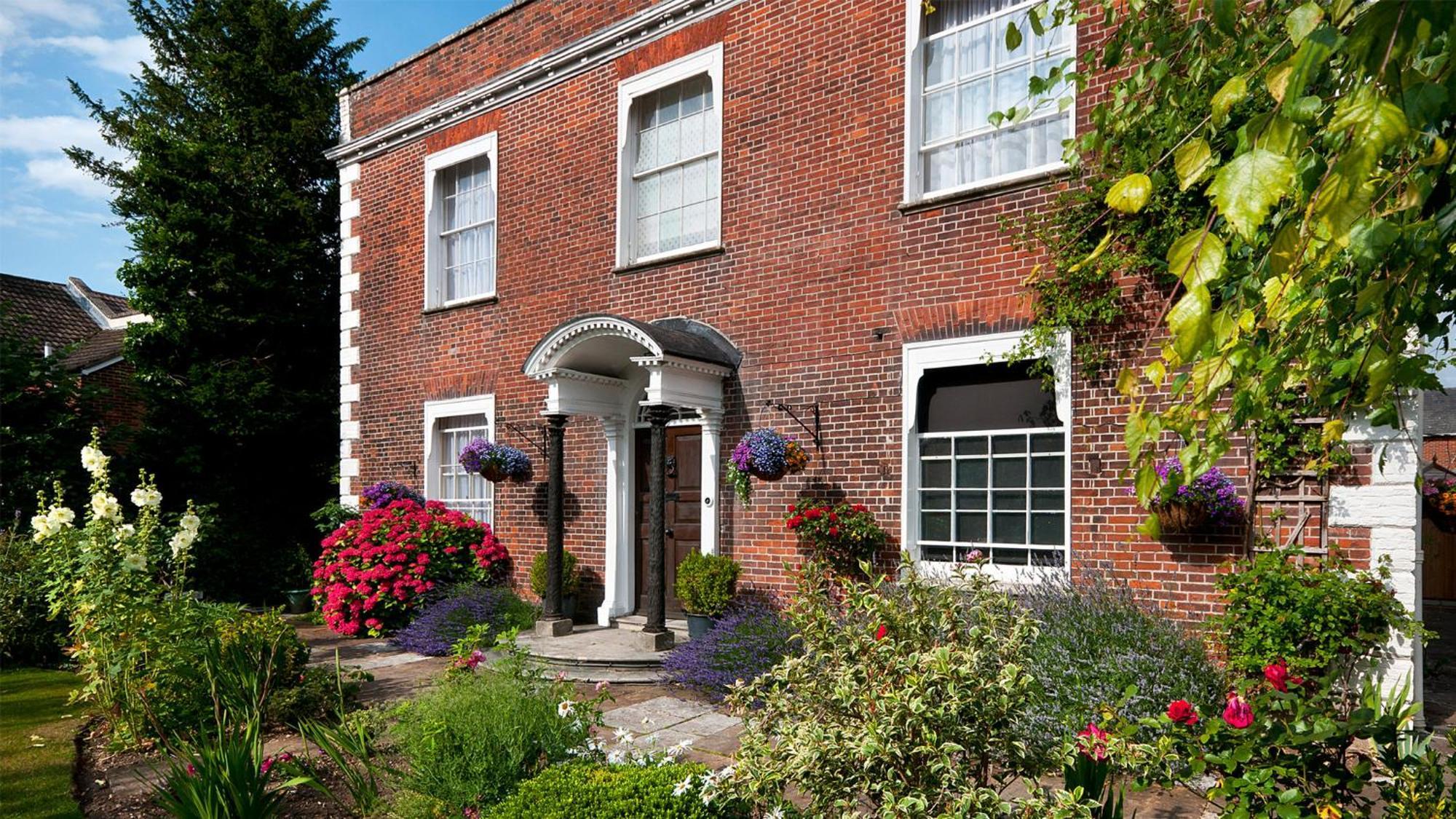
1. Mill End Hotel
Show on map


 Check-infrom 15:30 until 22:00Check-outfrom 08:00 until 11:00
Just a few rooms left at the best rate!
from£ 178
-
2. The Exeter Inn
Show on map


 Check-infrom 15:00 until 23:00Check-outuntil 10:00
Just a few rooms left at the best rate!
from£ 149
-
3. Crowne Plaza Plymouth By Ihg
Show on map


 Check-infrom 15:00 until 23:59Check-outuntil 11:00
Hurry – almost gone at this price!
from£ 62
Best Premium Stay
For guests prioritising a full spa experience combined with a waterfront coastal location, one property in Devon's South Hams stands clearly above the rest in terms of facilities and setting.
-
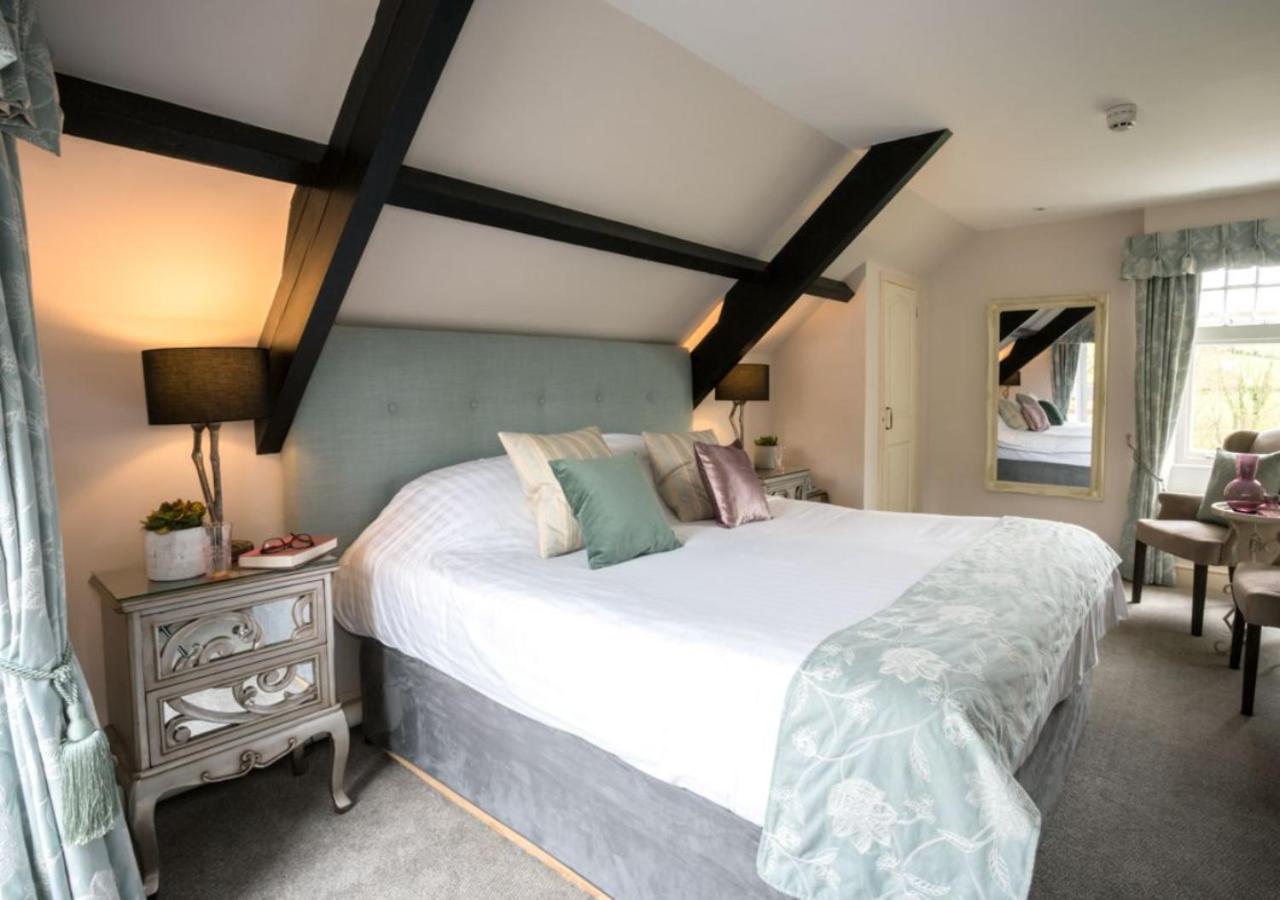
4. Harbour Hotel & Spa Salcombe
Show on map


 Check-infrom 15:00 until 23:30Check-outfrom 07:00 until 11:00
Rooms filling fast – secure the best rate!
from£ 172
Smart Travel & Timing Advice for Devon
Devon's peak season runs from late June through August, when coastal towns - particularly Salcombe and the South Hams - fill up fast and accommodation rates at waterfront hotels can rise sharply. Booking coastal stays at least 8 weeks in advance is strongly advisable for any summer travel; Salcombe in particular has limited room stock, and the best-positioned hotels sell out well before peak weeks. Shoulder season - May, early June, and September - offers the most favourable combination of open facilities, mild weather, and manageable visitor numbers, especially for Dartmoor access where summer heat is rarely an issue anyway. Inland Devon and Plymouth remain accessible and relatively affordable year-round, making them realistic options for last-minute bookings. A minimum of 3 nights is the practical threshold for covering Devon meaningfully - the distances between the coast, the moor, and the city mean that shorter stays force rushed itineraries on slow roads.