Leonardo Hotels operates a network of well-positioned city-centre properties across England, targeting business travellers and leisure guests who want consistent quality without boutique price tags. Each property is built around the brand's signature Dream bed, all-day Bar and Grill dining, and reliable free WiFi - features that translate into practical value in cities like Liverpool, Oxford, Derby, Plymouth, and Milton Keynes. This guide breaks down what each location actually delivers, who it suits, and how to book smart.
What It's Like Staying in England
England's city-centre hotel scene is defined by compact urban cores where major attractions, rail stations, and dining are often within walking distance - but traffic, limited parking, and peak-season crowds can significantly affect your stay. Most English city centres are walkable within 20 minutes, meaning hotel positioning matters far more than in car-dependent destinations. Travellers who rely on public transport will find England's rail network genuinely useful, with intercity connections running frequently between London, the Midlands, and the North.
England suits travellers who want cultural depth alongside urban convenience - from Oxford's academic heritage to Liverpool's waterfront and Plymouth's coastal access. Those seeking resort-style relaxation or guaranteed sunshine will likely be better served elsewhere.
Pros:
- Extensive rail and bus networks connect most city-centre hotels directly to attractions and onward destinations
- English cities offer a genuine mix of history, food culture, and live entertainment within compact, walkable areas
- City-centre hotels in England are bookable year-round, with shoulder seasons offering better rates and thinner crowds
Cons:
- Urban parking is expensive and often inconvenient - city-centre hotel parking charges can add around £15 per night
- English weather is unpredictable, which limits outdoor sightseeing reliability across all seasons
- Peak periods such as bank holidays and school half-terms push hotel rates up sharply with reduced availability
Why Choose Leonardo Hotels in England
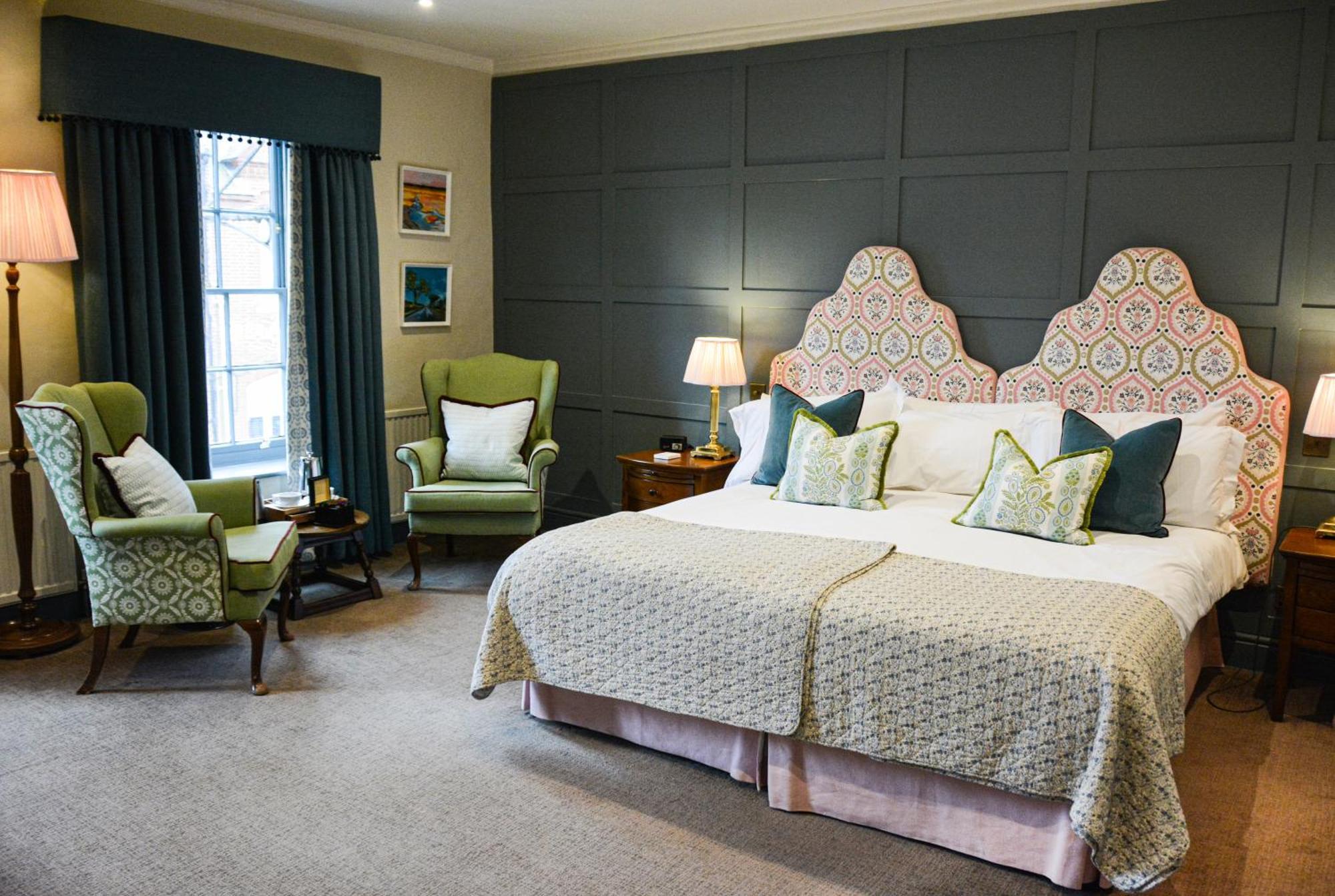
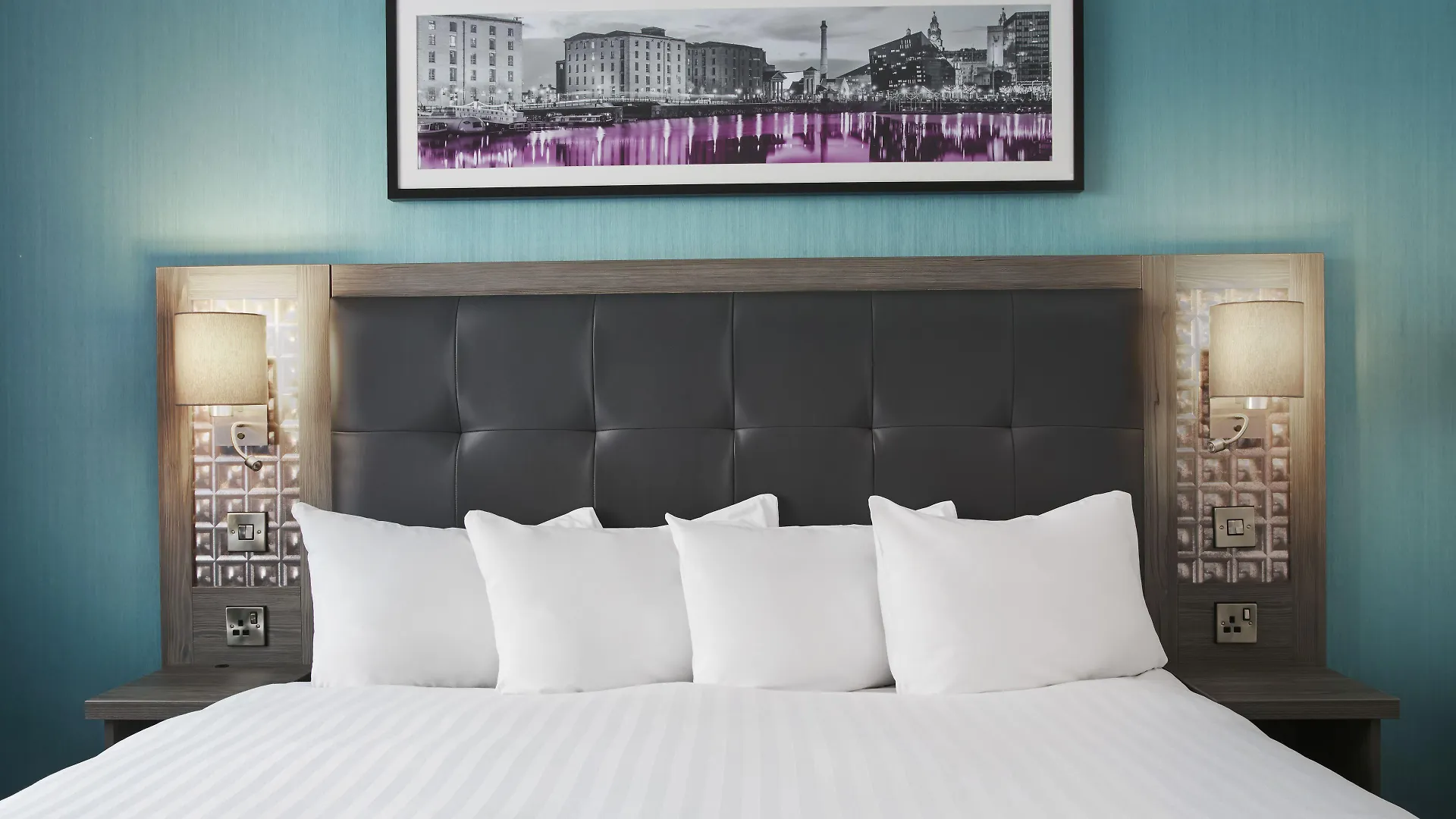
Leonardo Hotels sits in the upper mid-range tier of the English hotel market - above budget chains like Premier Inn in amenity depth, but priced below full luxury four-star independents. The brand's consistent room standard, including the Dream bed, flat-screen TV, work desk, and spa-grade bathroom toiletries, makes it a reliable pick for both business trips and weekend breaks where predictability matters. All Leonardo properties in England include free WiFi, which remains a genuine differentiator versus some competing mid-range brands that still charge for connectivity.
The Bar and Grill format means guests can eat and drink on-site without committing to a formal restaurant, which is particularly practical for solo travellers or late arrivals. Trade-offs include standard room sizes that can feel compact in older buildings, and on-site dining that is functional rather than destination-worthy. Leonardo Hotels tend to attract around 80% repeat business travellers on weekdays, meaning weekend stays are often quieter and better value.
Pros:
- Consistent brand standards across all English locations mean no guesswork on bed quality, WiFi reliability, or bathroom spec
- All-day Bar and Grill dining removes the need to find food options late at night in unfamiliar city centres
- 24-hour front desk across the portfolio makes late check-ins and early departures logistically straightforward
Cons:
- Room sizes are standardised and can feel tight for longer stays or travellers with large luggage
- On-site restaurants prioritise speed and consistency over culinary creativity - not suited to foodie-focused trips
- Weekday noise from business guest traffic can affect quieter leisure travellers seeking a relaxed atmosphere
Practical Booking & Area Strategy
Each Leonardo Hotel in England occupies a strategically useful city-centre or near-centre position, but the travel context differs significantly by location. Leonardo Royal Hotel Oxford sits 5 minutes from the historic city core, making it the strongest cultural-access pick of the five, with both Oxford train station and the M40 motorway reachable within 10 minutes by car - useful for road-trippers combining Oxford with the Cotswolds. In Liverpool, the hotel is a 5-minute walk from the city centre, placing guests within easy reach of the Albert Dock, Cavern Quarter, and Lime Street Station without needing transport.
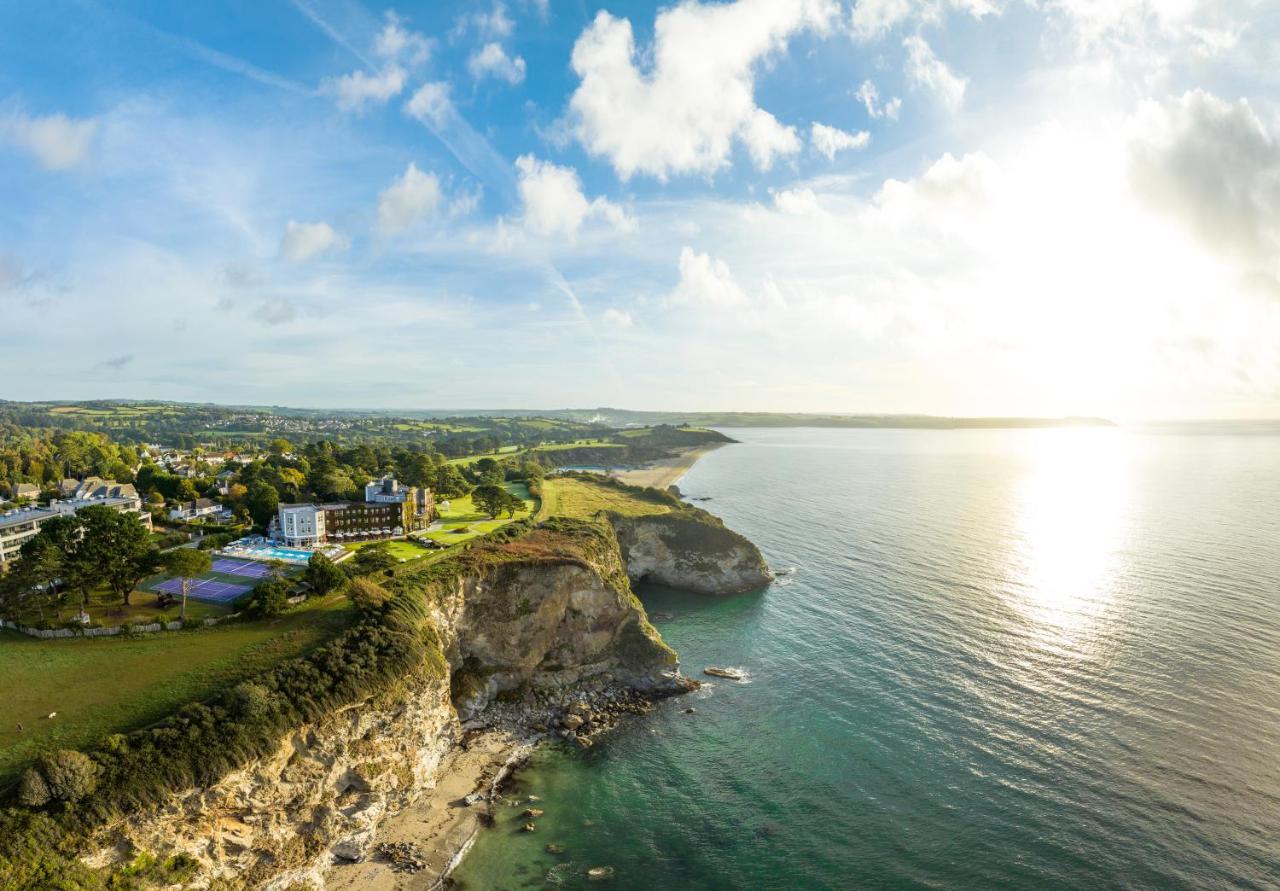
In Derby, the King Street location puts guests 2 minutes on foot from Derby Cathedral and within a 30-minute drive of the Peak District - a strong base for mixed urban and countryside itineraries. Plymouth's Leonardo is the only property in the group with direct coastal access, sitting close to the Barbican historic quarter and within a 5-minute walk of the train station for onward travel into Devon and Cornwall. Book at least 6 weeks ahead for summer stays in Oxford and Liverpool, where demand from tourists and visiting academics compresses availability quickly. Milton Keynes is the most flexible option for last-minute bookings given its predominantly corporate travel demand pattern.
Best Value Leonardo Hotels in England
These properties offer strong city-centre positioning and full Leonardo brand amenities at accessible price points, particularly for weekday business stays and off-peak weekend breaks.
-
1. Leonardo Hotel Liverpool
Show on map


 Check-infrom 15:00 until 23:59Check-outuntil 11:00
Just a few rooms left at the best rate!
from£ 112
-
2. Leonardo Hotel Milton Keynes
Show on map


 Check-infrom 15:00 until 23:59Check-outuntil 11:00
Just a few rooms left at the best rate!
from£ 50
-
3. Leonardo Hotel Plymouth
Show on map


 Check-infrom 15:00 until 23:59Check-outuntil 11:00
Hurry – almost gone at this price!
from£ 49
-
4. Leonardo Hotel Derby
Show on map


 Check-infrom 15:00 until 23:59Check-outuntil 11:00
Hurry – almost gone at this price!
from£ 55
Best Premium Leonardo Hotel in England
This property represents the highest-specification Leonardo offering in England, combining a four-star rating with premium dining and leisure facilities that go beyond the standard brand format.
-
5. Leonardo Royal Hotel Oxford
Show on map


 Check-infrom 15:00 until 20:30Check-outfrom 08:00 until 11:00
Rooms filling fast – secure the best rate!
from£ 80
Smart Travel & Timing Advice for Leonardo Hotels in England
Timing your stay at a Leonardo Hotel in England can make a material difference to both price and experience. Summer months from June through August push rates up sharply in Oxford and Liverpool, where tourist demand overlaps with academic events and festival calendars - booking well in advance is essential, and flexible cancellation rates are worth paying a small premium for. Derby and Milton Keynes operate on more corporate-driven demand cycles, meaning weekends are typically quieter and better-priced than Monday-to-Thursday nights when business travellers fill the rooms.
Plymouth follows a distinct seasonal pattern tied to coastal tourism, with July and August being peak months as visitors use the city as a gateway to Devon and Cornwall. A 2-night stay is the practical minimum to justify travel to any of these cities and absorb the key local attractions without rushing. For Oxford and Liverpool specifically, arriving on a Sunday evening and departing Tuesday morning captures the quietest period with lower mid-week rates. Last-minute bookings are viable in Milton Keynes almost year-round, but Oxford should always be secured at least 4 weeks out during university term time.