
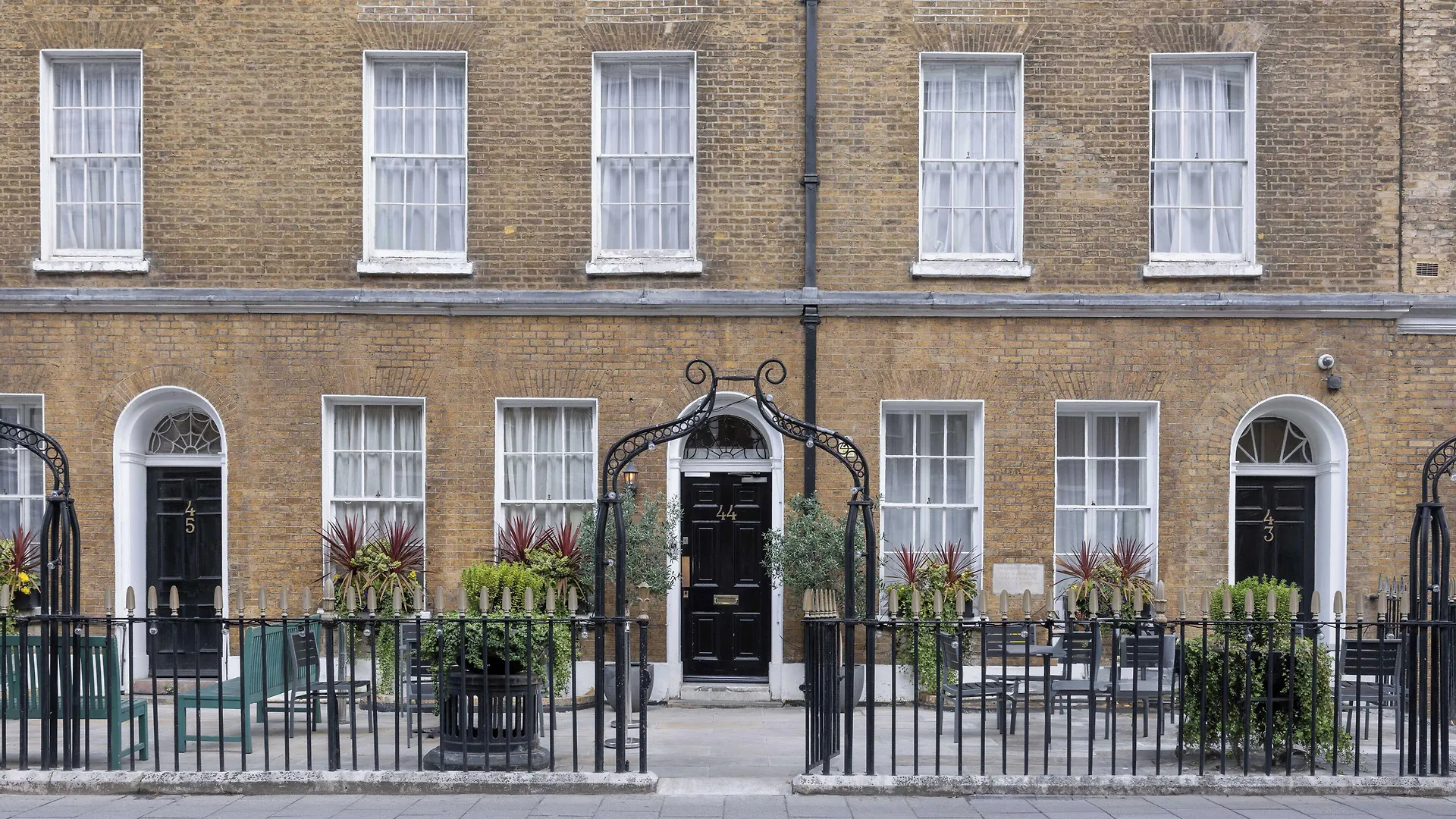
Central London is not one neighbourhood - it is a cluster of distinct zones, each with its own rhythm, street noise level and proximity to different categories of attraction. Choosing a luxury hotel here means weighing the financial district calm of the City of London against the theatre-district energy of the West End, the riverside positioning along the Thames, or the quieter residential pocket near Vauxhall. These five properties span that full spectrum, from a Beaux-Arts landmark facing the Tower of London to a design-led suite hotel by the river - each offering a different entry point into what staying in Central London actually feels like at the luxury end of the market.
What It's Like Staying in Central London
Central London compresses an enormous amount of geography into a walkable radius. From the City of London, the Tower of London, Tate Modern and Borough Market are all within around 20 minutes on foot, while the West End - Covent Garden, Trafalgar Square, the National Gallery - adds another 15 minutes westward. The Underground network is the real accelerator here, connecting Tower Hill, Barbican, Vauxhall and Covent Garden into a single efficient system where no major sight is more than three stops away. Crowd density varies sharply by micro-location: the Embankment and South Bank fill with tourists from mid-morning, while the eastern edges of the City stay quieter, especially on weekends when the financial district empties out. Luxury travellers who want seamless access to cultural institutions, fine dining and the financial core find Central London unmatched. Those who prioritise peace, green space and a neighbourhood feel will likely be better served by Mayfair, Marylebone or South Kensington.
Pros:
- * Every major London attraction is reachable in under 30 minutes by Tube or on foot
- * Multiple Underground lines and Overground connections make day-trip logistics straightforward
- * The City of London's weekend quiet offers a rare contrast to the usual tourist-zone noise
Cons:
- * Weekday morning rush on the Tube (particularly Central and Circle lines) is intense and unavoidable
- * Hotel premium for the central postcode is real - expect to pay significantly more than equivalent properties in zones 2 or 3
- * Pedestrian congestion around the South Bank and Covent Garden peaks between 11am and 6pm daily
Why Choose a Luxury Hotel in Central London
Luxury hotels in Central London are not simply high-price options - they are structurally different from mid-range competitors in ways that directly affect a stay. Concierge teams at five-star properties here maintain real relationships with restaurant reservations desks, West End box offices and private car services, which matters when availability is scarce. Room sizes at this tier start at around 30 square metres in the standard categories but routinely exceed 55 square metres in suites, a notable contrast to the cramped floor plans common in mid-range Central London hotels. The trade-off is price: luxury rooms in the City of London and Covent Garden average well above £400 per night, and peak-season occupancy means last-minute upgrades are rare. Noise is also a factor - soundproofed rooms are standard at this tier, which makes a measurable difference on streets that run busy until midnight near theatre districts and riverside embankments.
Pros:
- * Soundproofed rooms and blackout curtains are standard, reducing the impact of Central London street noise
- * On-site spas, fitness centres and restaurants mean fewer external logistics during the stay
- * Concierge access to London's theatre, dining and private transport networks is a genuine operational advantage
Cons:
- * Rates spike sharply during the London Marathon, Wimbledon and the summer peak - often by around 40% above standard pricing
- * Rooms in heritage buildings can be smaller than the price implies, despite high-end finishes
- * Breakfast and parking add significant daily cost at most five-star Central London properties
Practical Booking & Area Strategy
Positioning within Central London matters more than the district label alone. Hotels on or near Trinity Square, Chiswell Street and the Embankment benefit from lower ambient noise and better pavement accessibility than those directly on the Strand or around Leicester Square. Tower Hill and Barbican Underground stations both sit within walking distance of the City-based hotels listed here, giving direct access to the Circle, Hammersmith & City, Metropolitan and Central lines - enough to reach Heathrow, Canary Wharf and the West End without changing platforms. For bookings, the window between late January and early March remains the most reliable period to secure preferred room categories at fair rates, before Easter demand pushes occupancy toward capacity. Attractions in the immediate area include the Tower of London, Sky Garden, the Barbican Centre, Borough Market, the Globe Theatre and the Tate Modern - all reachable in under 25 minutes on foot from the hotels below. Book at least 8 weeks ahead for stays between June and August, and extend that lead time to 12 weeks or more if you need a suite or a riverside-facing room.
Best Value Luxury Stays
These properties deliver genuine five-star positioning and facilities in Central London while offering more competitive entry-level room rates relative to the ultra-premium tier - making them a strong starting point for luxury travellers comparing options.
-
1. Montcalm Brewery Townhouse
Show on map


 Check-infrom 15:00 until 23:59Check-outuntil 11:00
Just a few rooms left at the best rate!
from£ 113
-
2. Staybridge Suites London-Vauxhall By Ihg
Show on map


 Check-infrom 15:00 until 23:59Check-outuntil 12:00
Just a few rooms left at the best rate!
from£ 152
-
3. The Resident Covent Garden
Show on map


 Check-infrom 15:00 until 23:59Check-outuntil 11:00
Hurry – almost gone at this price!
from£ 269
Best Premium Stays
These two properties sit at the upper end of the Central London luxury tier, each occupying landmark buildings with comprehensive spa facilities, multiple dining venues and room specifications that justify the rate premium over standard five-star options.
-
4. The Westin London City
Show on map


 Check-infrom 15:00 until 23:59Check-outuntil 11:00
Hurry – almost gone at this price!
from£ 284
-
5. Four Seasons Hotel London At Tower Bridge
Show on map


 Check-infrom 15:00 until 23:59Check-outuntil 12:00
Rooms filling fast – secure the best rate!
from£ 6994
Smart Travel & Timing Advice
Central London luxury hotel rates follow a clear seasonal curve. June through August is peak pricing - driven by international summer tourism, corporate travel and major events including Wimbledon (late June to early July) and the BBC Proms season - and properties at this tier regularly hit full occupancy weeks in advance. The quietest and most cost-efficient window is mid-January through February, when post-Christmas demand drops sharply and hotels occasionally release upgrade inventory at standard rates. Easter weekend and the London Marathon in April represent secondary spikes that catch many travellers off-guard. For most Central London luxury properties, 3 nights is the minimum stay that justifies the logistics of getting settled into a suite-category room and making use of the spa, concierge and dining infrastructure properly. Book suite categories at least 10 weeks ahead for summer travel, and use the hotel's direct booking channel - Four Seasons and Westin in particular offer rate-match guarantees and add-ons that third-party platforms do not. Late October through November offers a useful middle ground: cooler weather, post-summer crowds and rates that run around 25% below the summer peak without sacrificing the energy of a busy, fully operational city.


