Sint-Joost-ten-Node is Brussels' smallest and most densely populated municipality, sitting directly between the EU Quarter to the east and the city centre to the west. Staying here places you within reach of both the institutional Brussels of Schuman and the commercial Brussels of the Grand Place - a positioning that few districts can match. This guide breaks down the 4-star hotel options available, what the neighbourhood actually delivers on the ground, and how to book strategically.
What It's Like Staying In Sint-Joost-ten-Node
Sint-Joost-ten-Node is a compact urban district where walking to Brussels' historic centre takes around 20 minutes on foot, while metro lines 2 and 6 from Madou station cut that to under 10 minutes. The neighbourhood runs at a noticeably local rhythm - less tourist-facing than Ixelles or the Pentagone, with street-level activity dominated by residents, commuters, and EU professionals rather than tour groups. The area around Rue Royale and the botanical garden edge gives the district a quieter atmosphere at night compared to the Grand Place zone, which appeals to travellers who want proximity without the corresponding noise and crowds.
Why Choose 4-Star Hotels In Sint-Joost-ten-Node
4-star hotels in Sint-Joost-ten-Node offer a mid-to-upper positioning that suits business travellers and city-break visitors who want reliable comfort without the full luxury price tag of properties in the EU Quarter or near Avenue Louise. Room sizes in this category typically run larger than comparable city-centre options, partly because Sint-Joost-ten-Node's lower commercial density means hotels occupy more generous building footprints. Rates in this category can run around 20% below equivalent 4-star properties in Ixelles, making the value case concrete for multi-night stays.
Pros:
- Stronger value-per-square-metre than 4-star options in the EU Quarter
- Quieter street environment at night while staying close to central metro access
- Properties in this category typically include amenities like fitness centres and on-site dining without the premium surcharge
Cons:
- Fewer walkable restaurant and bar options directly around the hotel compared to Ixelles or Saint-Gilles
- Limited luxury retail or high-end shopping within immediate walking distance
- The district's mixed urban character means street quality can vary noticeably block by block
Practical Booking & Area Strategy
For the best micro-positioning in Sint-Joost-ten-Node, properties along or near Rue Royale offer the most practical balance - direct tram access southward into the city centre and easy walking to the Botanical Garden and the Madou metro interchange. The Madou metro stop (lines 2 and 6) connects to Gare du Midi in under 15 minutes, which matters significantly for Eurostar and Thalys travellers. Stays during the European Parliament session weeks - typically October through December and February through April - see elevated demand from EU delegates, which tightens availability across the 4-star segment. Booking at least 6 weeks ahead during these windows is a concrete advantage. Sint-Joost-ten-Node borders the Parc du Cinquantenaire to the east and is walkable to the Musée Magritte and BOZAR cultural centre, giving cultural travellers meaningful daytime options without requiring transport.
Best Value Stays
These properties deliver strong 4-star fundamentals - on-site dining, fitness access, and reliable connectivity - at a positioning that rewards direct booking and longer stays.
-
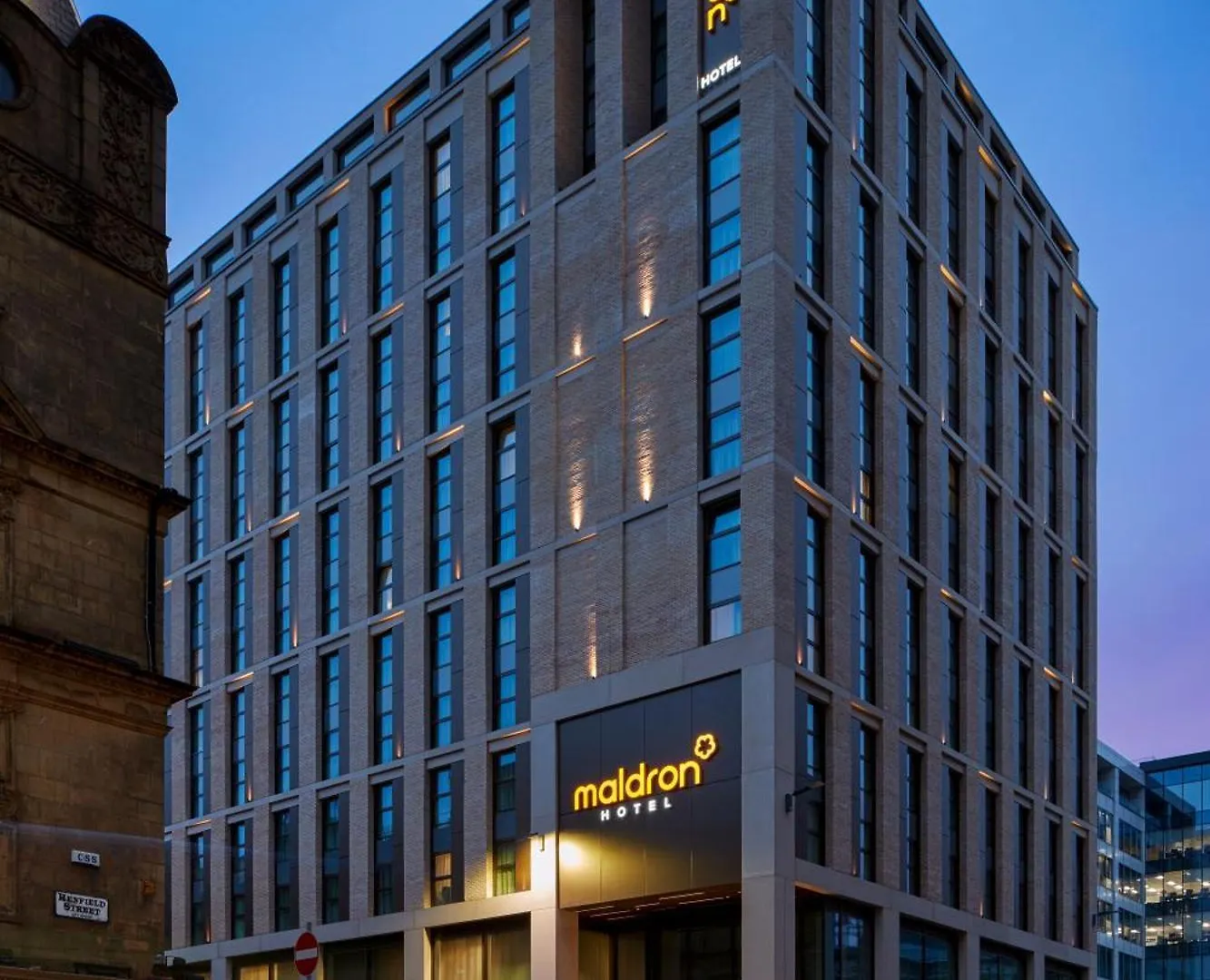
1. Maldron Hotel Glasgow City
Show on map


 Check-infrom 15:00 until 23:59Check-outuntil 11:00
Just a few rooms left at the best rate!
from£ 98
-
2. Millennium Hotel Glasgow
Show on map


 Check-infrom 15:00 until 23:59Check-outuntil 11:00
Just a few rooms left at the best rate!
from£ 48
Best Premium Stays
These properties go beyond baseline 4-star comfort, adding distinctive design, suite-style space, or elevated dining that justifies the higher nightly rate for stays in and around Sint-Joost-ten-Node.
-
3. Carlton George Hotel
Show on map


 Check-infrom 15:00 until 23:59Check-outuntil 11:00
Hurry – almost gone at this price!
from£ 86
-
4. Fraser Suites Glasgow
Show on map


 Check-infrom 16:00 until 23:59Check-outuntil 11:00
Rooms filling fast – secure the best rate!
from£ 75
Smart Travel & Timing Advice for Sint-Joost-ten-Node
Sint-Joost-ten-Node sees its sharpest demand spikes during the spring European Parliament plenary weeks - typically March and April - and again in October, when institutional Brussels operates at full capacity and 4-star inventory tightens fastest. Booking at least 6 weeks ahead during these windows gives meaningful rate and availability advantages over last-minute searches. Summer (July-August) is the quietest period in the district, when EU institutions recess and business travel drops sharply, making it the window where negotiated or flexible rates are most accessible. A 2-night minimum stay captures most of what Sint-Joost-ten-Node and central Brussels offer without the diminishing returns of a longer fixed base; for EU Quarter itineraries, 3 nights is the more practical threshold. Avoiding weekend arrivals in peak months reduces competition from leisure travellers combining Brussels with Amsterdam or Paris on multi-city Eurostar routes, which drives up city-wide hotel rates noticeably on Friday and Saturday nights.